







How Do Emergency Loans Work?
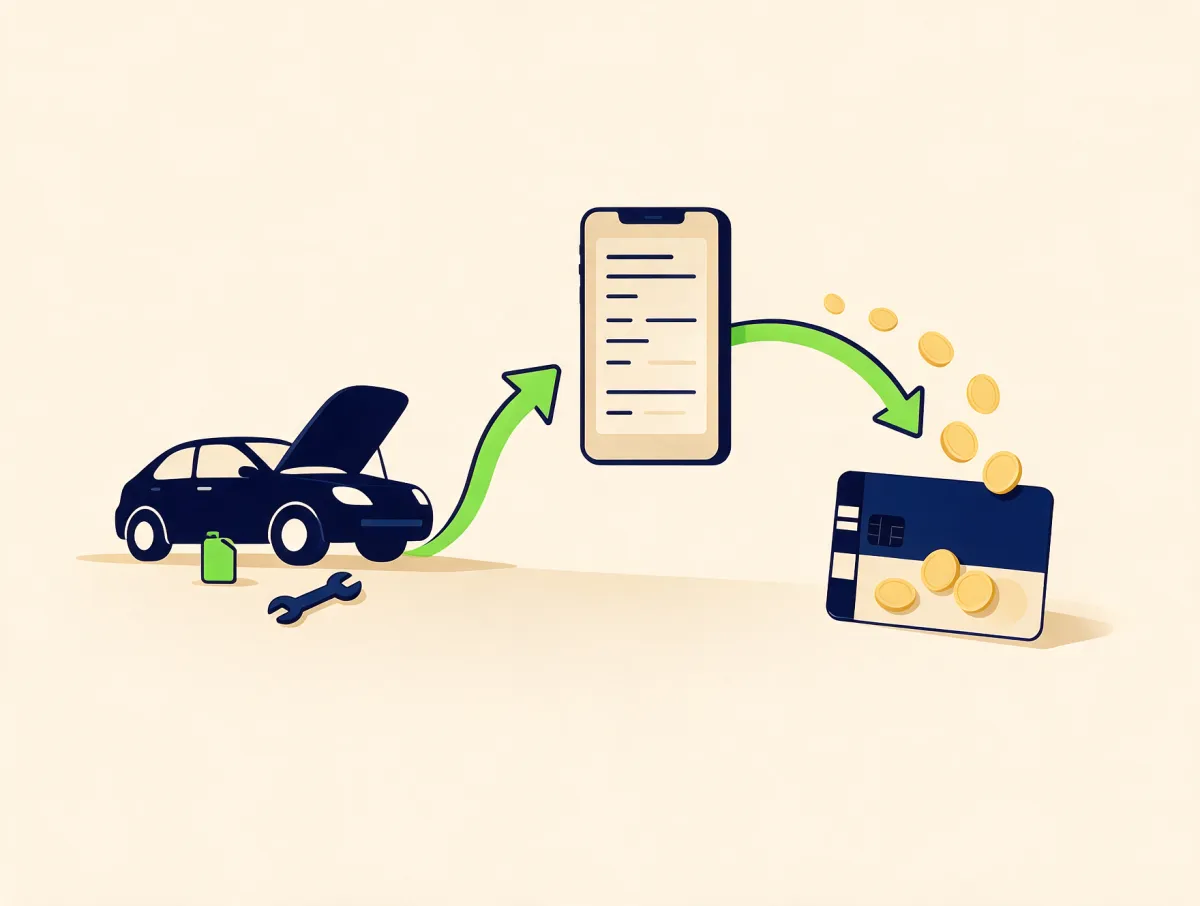
Say your transmission fails on a Tuesday and the shop wants $1,800 before you can have your car back. You don't have it in savings, and you need the car for work on Monday. That's the kind of gap an emergency loan is for.
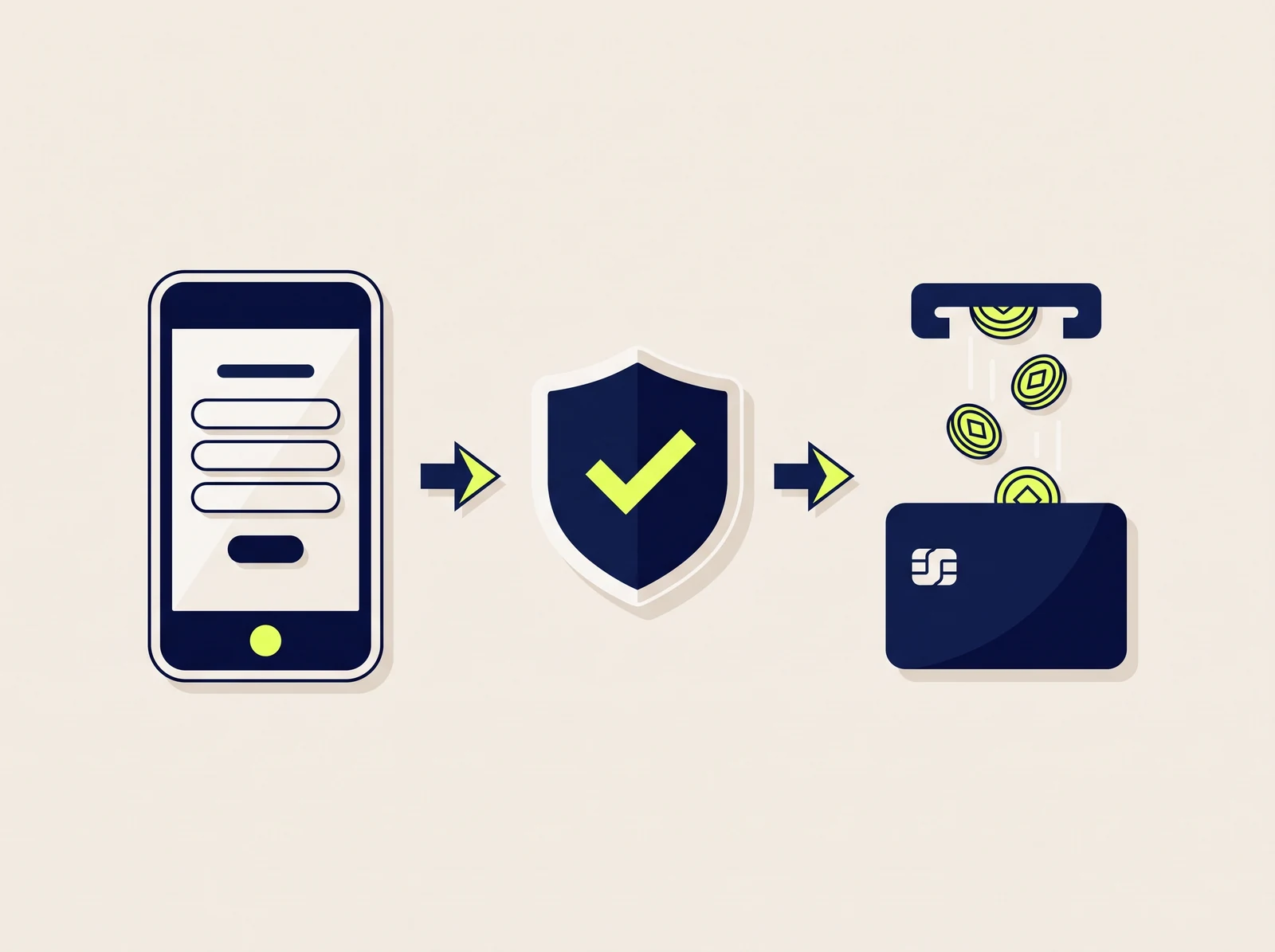
You borrow a set amount, the lender sends it to your checking account, and you repay it on an agreed schedule. The difference from other borrowing is priority: you're looking for the option that funds fast enough, at a cost you can live with.
- Personal installment loans, repaid in fixed monthly payments over months or years
- Short-term loans, including payday loans, repaid in one lump sum within weeks
- Credit card cash advances, taken from a card you already have
- Credit union payday alternative loans, for members
- Secured loans, backed by something you own, like a car
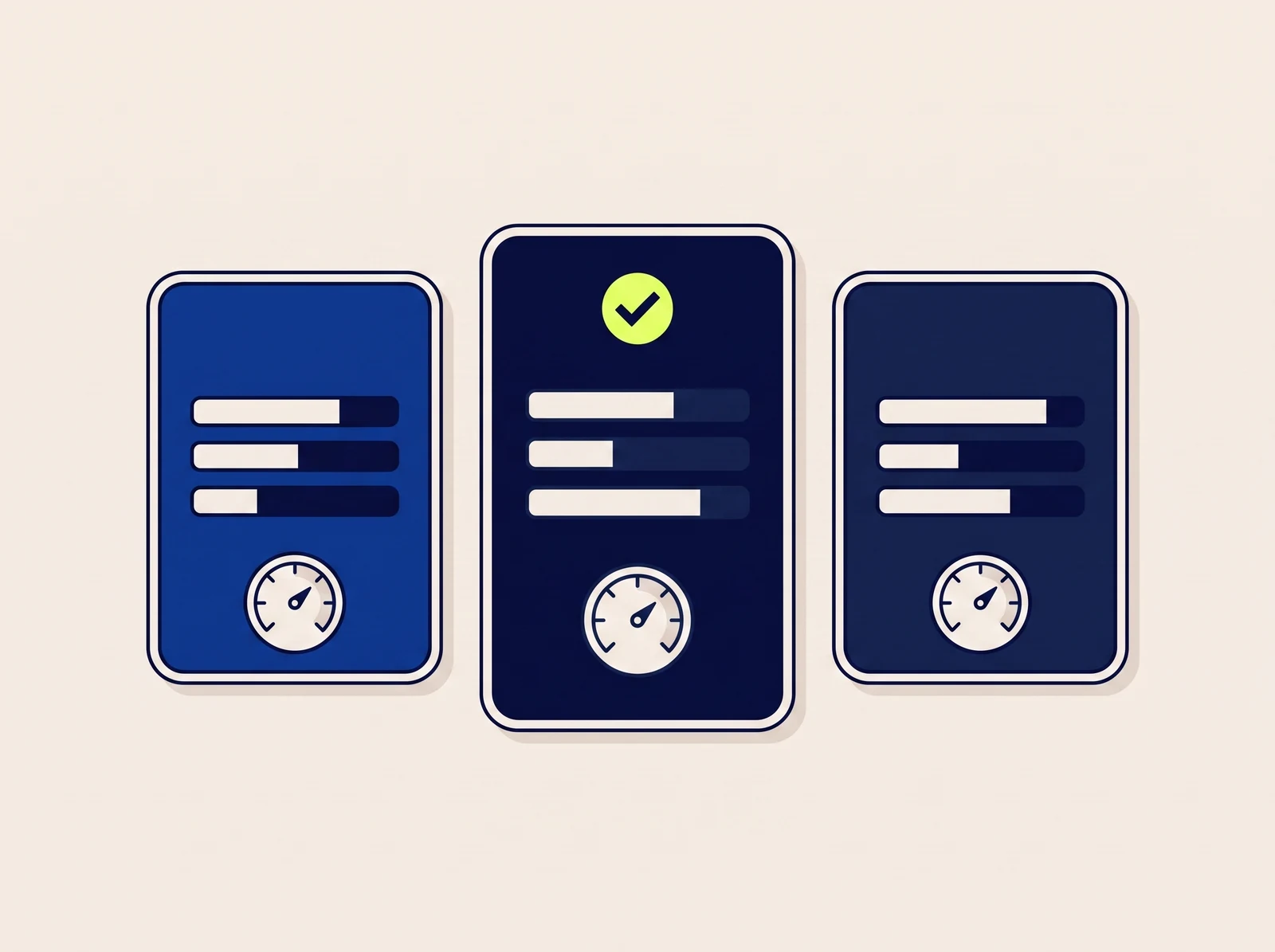
They vary a lot in cost, so the fastest option isn't always the right one.
Lenders in Covero's network offer from $250 to $3,000, and the amount you're offered depends on your income, your credit and your state's rules. Borrow what the emergency actually costs plus a small buffer, not the maximum. Every extra dollar adds to your repayments, and a smaller request is usually easier to get approved.
Most emergency loans are unsecured, so you don't put up collateral. A secured loan uses something you own, often a car, which can mean a lower rate or a bigger amount. The trade-off is serious: miss payments and you could lose the asset. If your car is how you get to work, think hard before pledging it.