









Consumer Advisory: APR Rates Range From 5.99% to 35.99% Maximum APR for qualified consumers

Bad Credit? You Still Have Options
Your credit score doesn't define your choices. Compare loan offers from lenders who specialize in working with all credit types.
About Bad Credit Loans
What borrowers with less-than-perfect credit need to know before applying.
How Bad Credit Loans Work
Bad credit loans are personal loans built for borrowers whose credit scores fall below 580. Traditional banks reject most applicants in this range, but specialized lenders use a different approach. Instead of relying on your FICO score alone, they evaluate your full financial picture including monthly income, employment length, rent payment history, and how you manage your checking account. You apply online, receive offers from multiple lenders within minutes, and choose the one with the best terms. Once you accept and verify your identity, funds are deposited directly into your bank account. The entire process is digital, and most borrowers go from application to approval within the same day.
Request Funds
Trusted by
Thousands of Customers
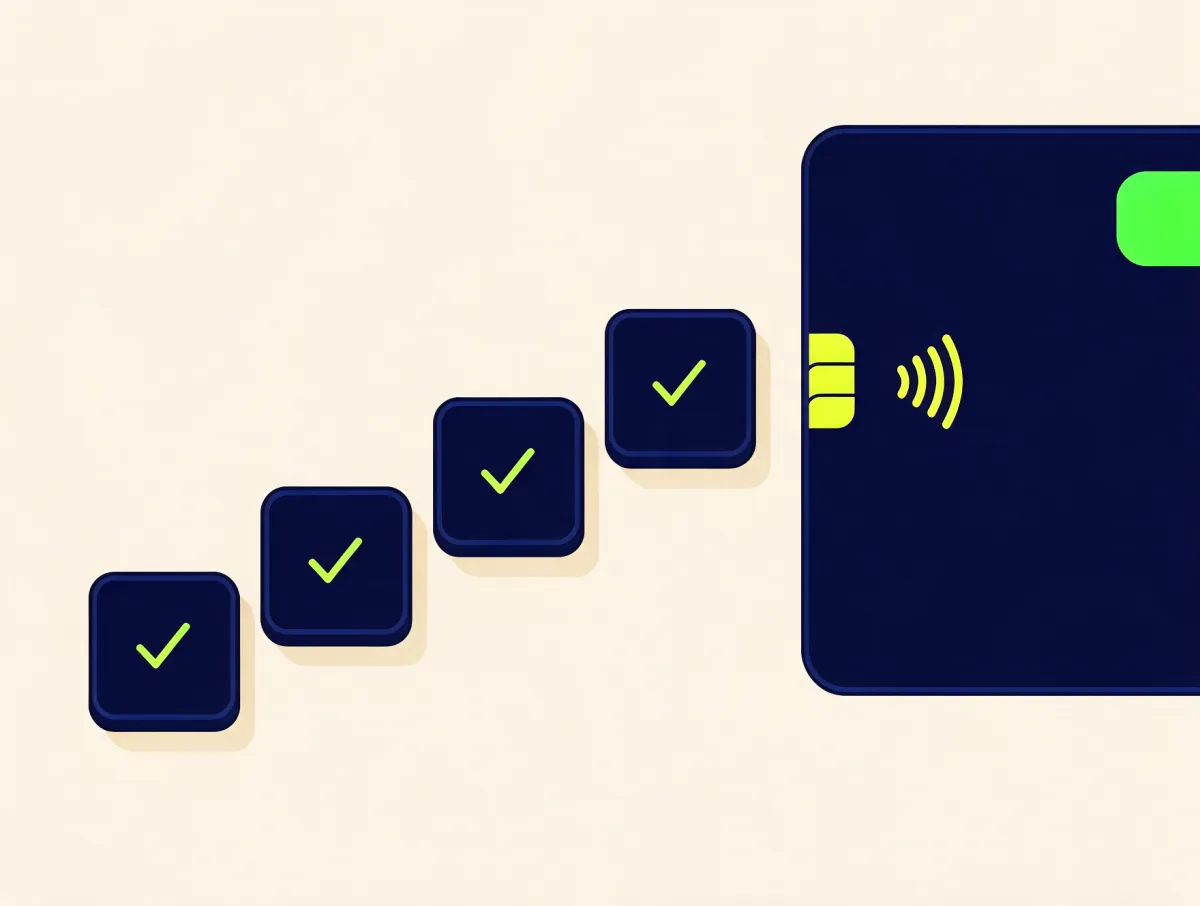
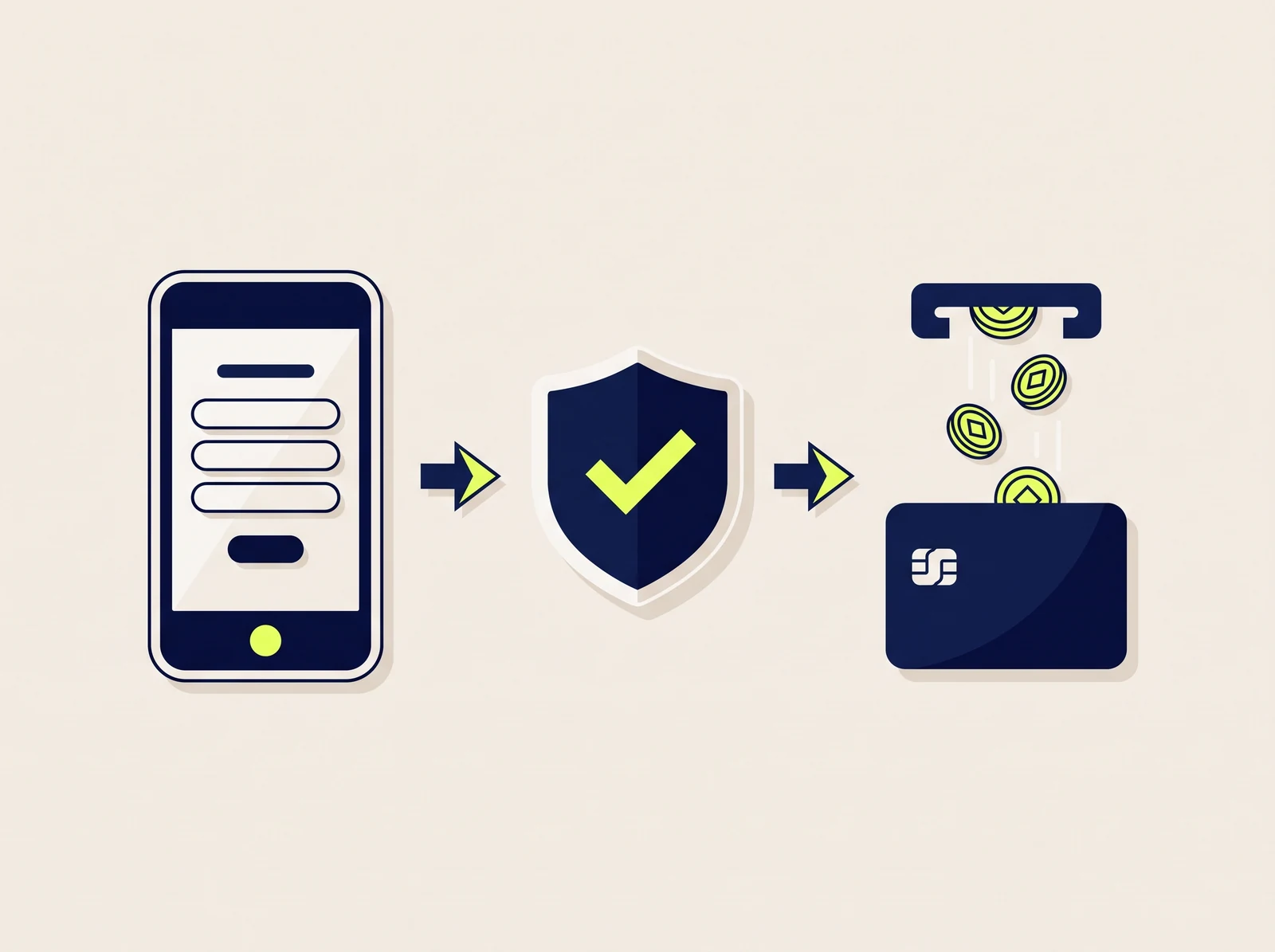
Request FundsRequest funds in three simple steps
Request funds
Complete a short online request with your basic information. We'll review your details and look for a suitable lending option.
Get a fast decision
Receive a decision in minutes. Review the amount, repayment period, and terms clearly before moving forward.
Receive your funds
If you accept the offer, you'll complete the final steps with the lending partner and receive your funds directly to your account.
Fast answers, without the uncertainty
Apply Anywhere
Simple online form you can complete from any device, anywhere.
Designed To Protect You
Get connected with lenders based on your personal circumstances.
Fast Funding
Request funds and receive a fast decision, so you're not left waiting days for answers.
A quick eligibility check
Simple requirements to help determine whether this option works for you.
- Are 18 years or older
- Are looking for a short-term loan between $250 and $3,000
- Need funds for short-term personal expenses
- Have an active bank account
- Are currently employed or have a regular source of income
- Are looking to repay over 3 to 36 months
Bad Credit Loan Guide
A practical breakdown of borrowing with a low credit score in the United States.
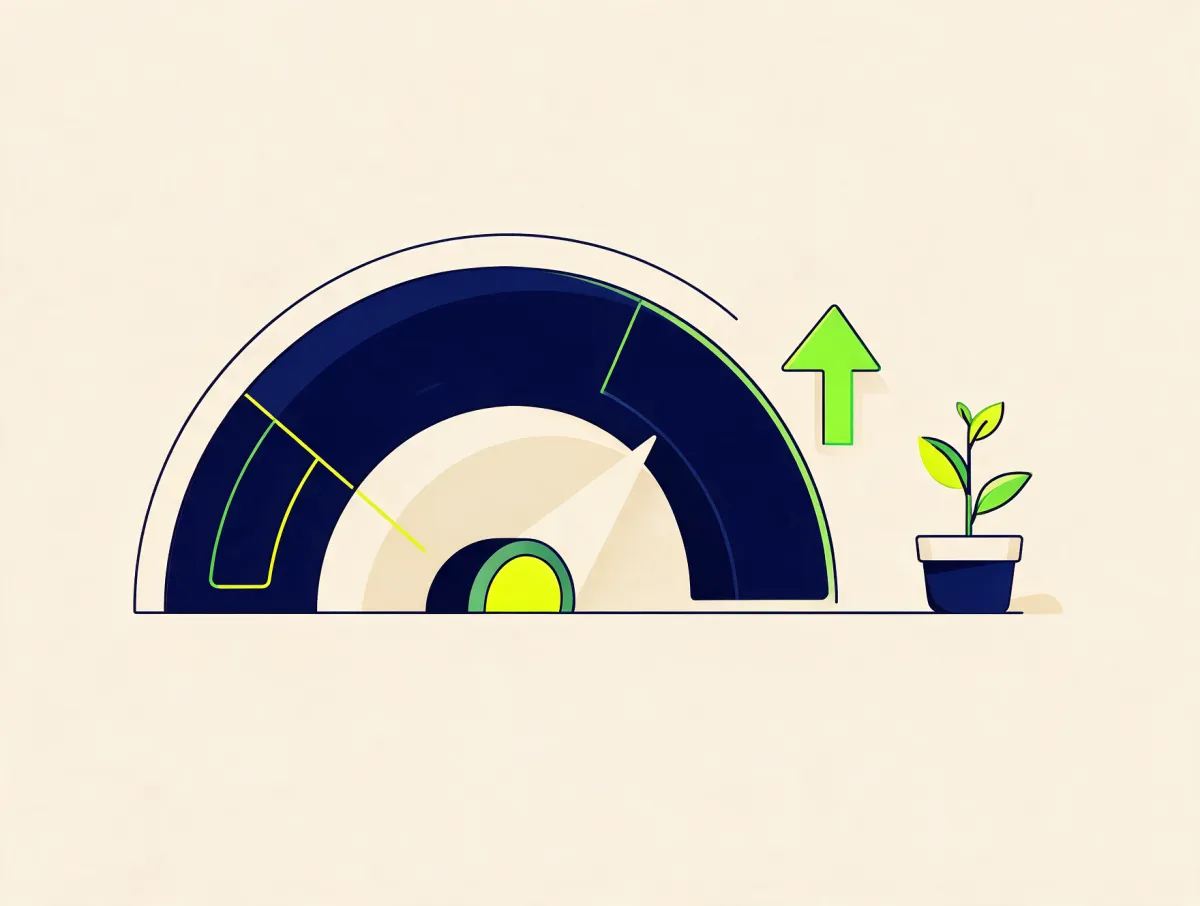
The FICO scoring model, used by 90% of top U.S. lenders, rates credit on a scale from 300 to 850. Scores between 580 and 669 are considered "fair," while anything below 580 falls into the "poor" category. Common reasons for a low score include late or missed payments, high credit utilization (using more than 30% of your available credit), accounts sent to collections, bankruptcy filings, and too many hard inquiries in a short period. Your score is not permanent. It updates monthly based on information reported by your creditors, which means positive changes in your borrowing habits can start improving your score within 30 to 60 days.
Bad credit personal loans generally carry APRs between 18% and 36%, with repayment terms ranging from 12 to 60 months. The exact rate you receive depends on your score, income, loan amount, and the lender. To put the cost in perspective, a $3,000 loan at 28% APR over 24 months costs approximately $940 in total interest, bringing your total repayment to around $3,940. Even a small difference in rate matters. Dropping from 28% to 22% on that same loan saves you roughly $200. This is why comparing multiple offers before accepting is so important.
Unsecured bad credit loans do not require collateral, so you are not putting any personal property at risk. However, the trade-off is a higher interest rate because the lender takes on more risk. Secured loans, on the other hand, require you to pledge an asset like a vehicle title or a savings account balance. Because the lender can claim that asset if you default, they typically offer lower rates and higher approval odds. Which option is right for you depends on whether you have an asset you are comfortable using as security and how much you want to save on interest over the life of the loan.
Applying with a co-signer who has stronger credit can dramatically change the terms you qualify for. Lenders factor in the co-signer's credit history and income alongside yours, which often results in lower APRs and higher approval rates. The catch is that co-signers carry full legal responsibility for the debt. If you miss a payment, it damages their credit and they become liable for the remaining balance. This arrangement works best when both parties have open communication about the repayment plan and a clear agreement about expectations.
A bad credit loan can serve double duty: it addresses your immediate financial need while also giving you a tool to rebuild your credit history. The key is choosing a lender that reports your payment activity to at least one of the three major credit bureaus (Equifax, Experian, or TransUnion). Each on-time payment adds a positive entry to your credit report, and over 6 to 12 months of consistent payments, many borrowers see meaningful score improvements. Payment history makes up 35% of your FICO score, so this single action has the largest impact on your overall rating.
Lenders advertising "guaranteed approval regardless of credit" or asking for upfront fees before disbursing funds are major red flags. Legitimate lenders always verify your identity and income before making an offer, clearly disclose all rates and fees in writing, and never pressure you to sign on the spot. Be cautious of APRs that exceed 36%, hidden fees buried in fine print, and lenders who refuse to provide a written loan agreement for you to review at your own pace. If something feels rushed or unclear, walk away and explore other options.
Instead of applying to lenders one by one and risking multiple hard credit inquiries, Covero lets you fill out a single application and receive competing offers from lenders who work with all credit types. Each offer displays the APR, monthly payment, total repayment amount, and any origination fees so you can make a direct comparison. There is no obligation to accept, and your personal data is protected with bank-level SSL encryption from the moment you submit your application.
Frequently Asked Questions About Bad Credit Loans
Answers to common questions about borrowing with a low credit score so you can move forward with clarity
Request FundsSeveral lenders in Covero's network accept borrowers with credit scores as low as 300. These lenders rely on alternative data points beyond your FICO score, including your bank account activity, income consistency, employment history, and monthly expense patterns. Even if you have been declined by other lenders, you may find options through Covero because each lending partner uses its own underwriting criteria.
Most lenders deposit funds within one to two business days after you accept an offer and complete final verification. Some lenders offer same-day deposits for applications submitted and approved before a certain cutoff time, usually around noon on a weekday. The speed also depends on your bank. Larger national banks tend to process deposits faster than some smaller institutions or credit unions.
Yes, provided your lender reports payment activity to at least one of the three major credit bureaus. Each on-time payment creates a positive entry on your credit report, and since payment history accounts for 35% of your FICO score, this has a significant impact over time. Many borrowers see noticeable improvements within 6 to 12 months of consistent payments. Before accepting a loan, confirm with the lender that they report to Equifax, Experian, or TransUnion.
APRs for bad credit personal loans generally fall between 18% and 36%. Where you land within that range depends on your specific credit score, your income relative to your existing debt obligations, the amount you are borrowing, and the repayment term you choose. Shorter loan terms often come with slightly lower rates. Comparing multiple offers through Covero is the most effective way to find the lowest rate available for your financial profile.
Nearly all lenders require an active checking account because it serves as the destination for your loan funds and the source for automatic repayment deductions. A checking account with a steady history of deposits and no recent overdrafts strengthens your application. A small number of lenders will work with savings accounts or prepaid debit cards, but your options will be much more limited without a standard checking account.
Contact your lender as soon as you know you will miss a due date. Many lenders offer hardship programs, grace periods, or modified repayment plans for borrowers who communicate proactively. Ignoring a missed payment is the worst approach because late fees accumulate, your credit score takes a hit, and the debt can eventually be sent to collections. Being upfront about your situation gives you the best chance of finding a workable solution.
A co-signer with good credit can help you qualify for a lower interest rate and a higher loan amount. However, both you and your co-signer are equally responsible for repaying the debt. If you miss payments, it damages their credit alongside yours. A co-signer makes the most sense when you have a reliable income and a clear repayment plan but your credit score alone does not reflect your current ability to pay. Always have an honest conversation with your co-signer about the commitment before submitting the application.
When you submit your application through Covero, your information is shared with a network of lenders who specialize in working with borrowers across all credit ranges. Each lender evaluates your profile using their own criteria and responds with a personalized offer if you meet their requirements. You then see all available offers displayed side by side, including APR, monthly payment, and total cost, so you can pick the one that fits your budget. There is no cost to use Covero and no obligation to accept any offer.
See what you qualify for today
One application. Multiple lenders competing for your business. No impact on your credit score.
Request Funds