







How Do Personal Loans Work?
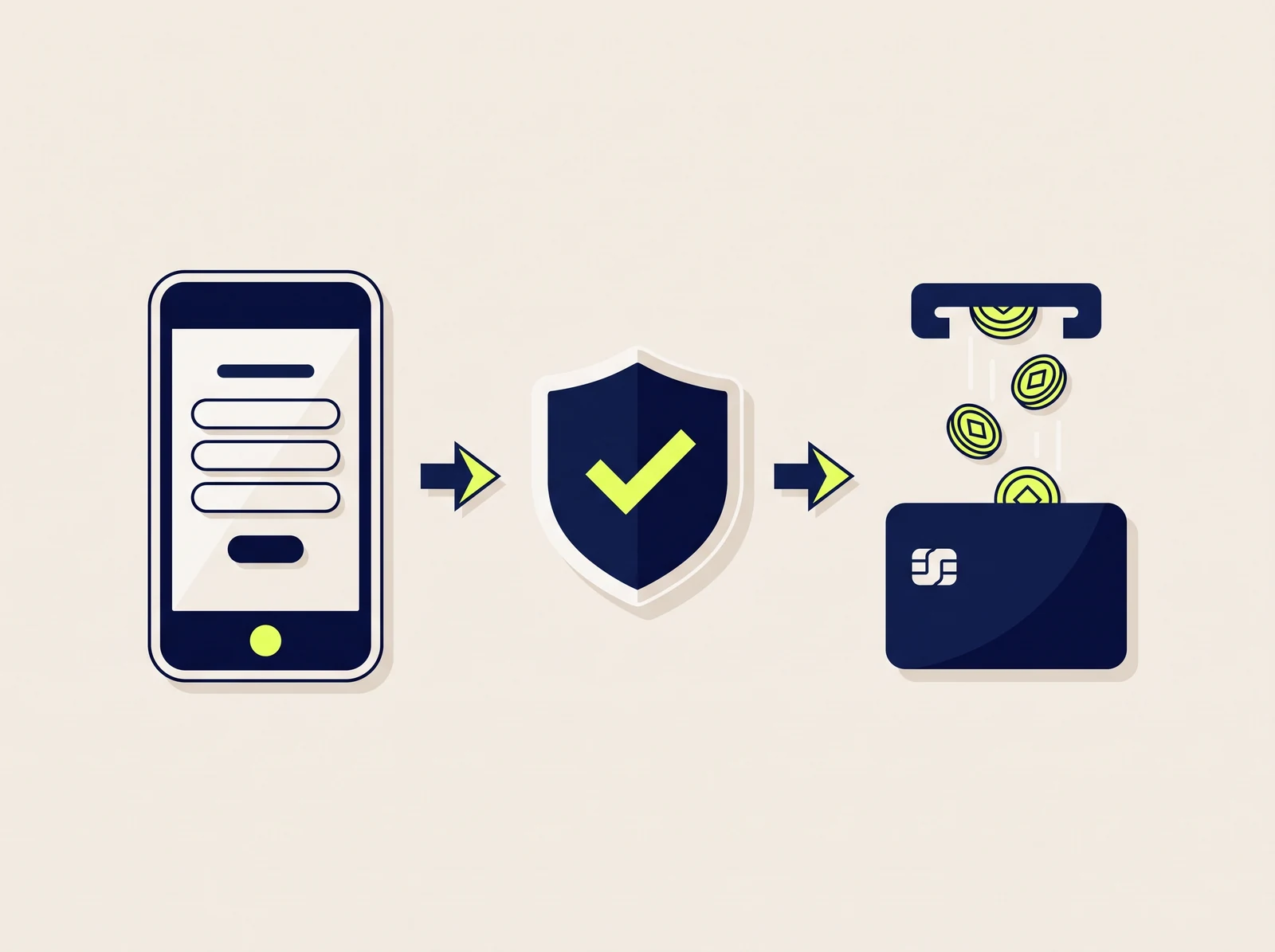
Say your furnace quits in January and the replacement is $2,400. A personal loan pays for it now, and you repay the $2,400 plus interest in equal monthly payments over a term you choose, maybe 12 or 24 months.
You get the full amount at once, the rate is usually fixed, and the loan has an end date. Once the last payment clears, you're done.
Almost anything legal. Common reasons include car repairs, medical and dental bills, moving costs, home repairs, a wedding or funeral, and paying off higher-interest debt. Some lenders restrict uses like tuition, business costs or buying investments, so check the loan agreement.
If you're borrowing for the first time, our first personal loan guide walks through what to expect.
Most personal loans are unsecured. The lender relies on your income and credit history, not collateral. A secured personal loan is backed by something you own, like a car title or a savings account, which can help you qualify or lower the rate. The trade-off is simple: miss enough payments and you could lose that asset.
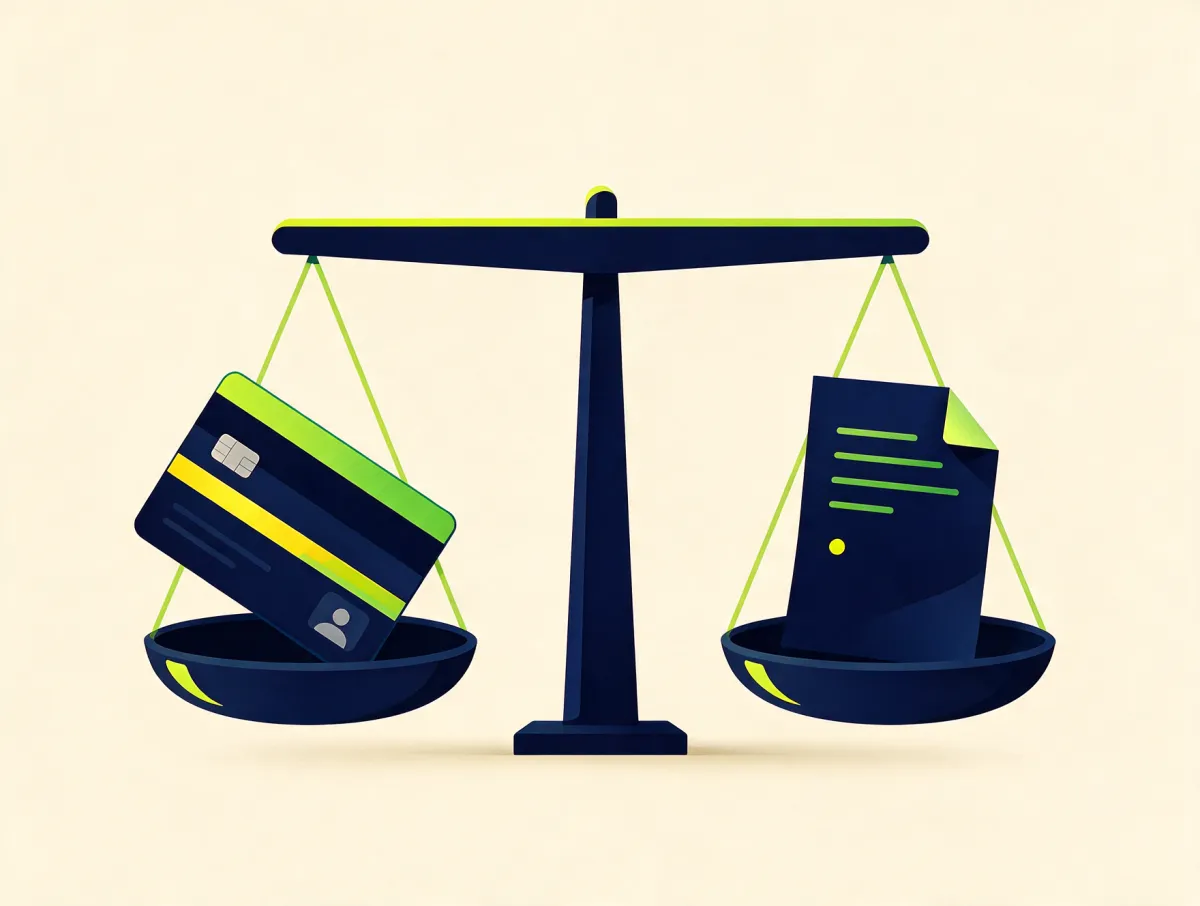
Both put cash in your account quickly, but they work very differently. A payday loan is due in full on your next payday, usually with a flat fee that works out to a very high APR. A personal loan spreads the cost over months at a far lower rate. If you're weighing the two, see how payday loans work and what they really cost.
No. A personal loan is one lump sum with a fixed payment schedule. A personal line of credit works more like a credit card: you draw what you need, repay it and draw again, usually at a variable rate. A loan suits a known, one-off cost. A line suits costs that come in waves.