








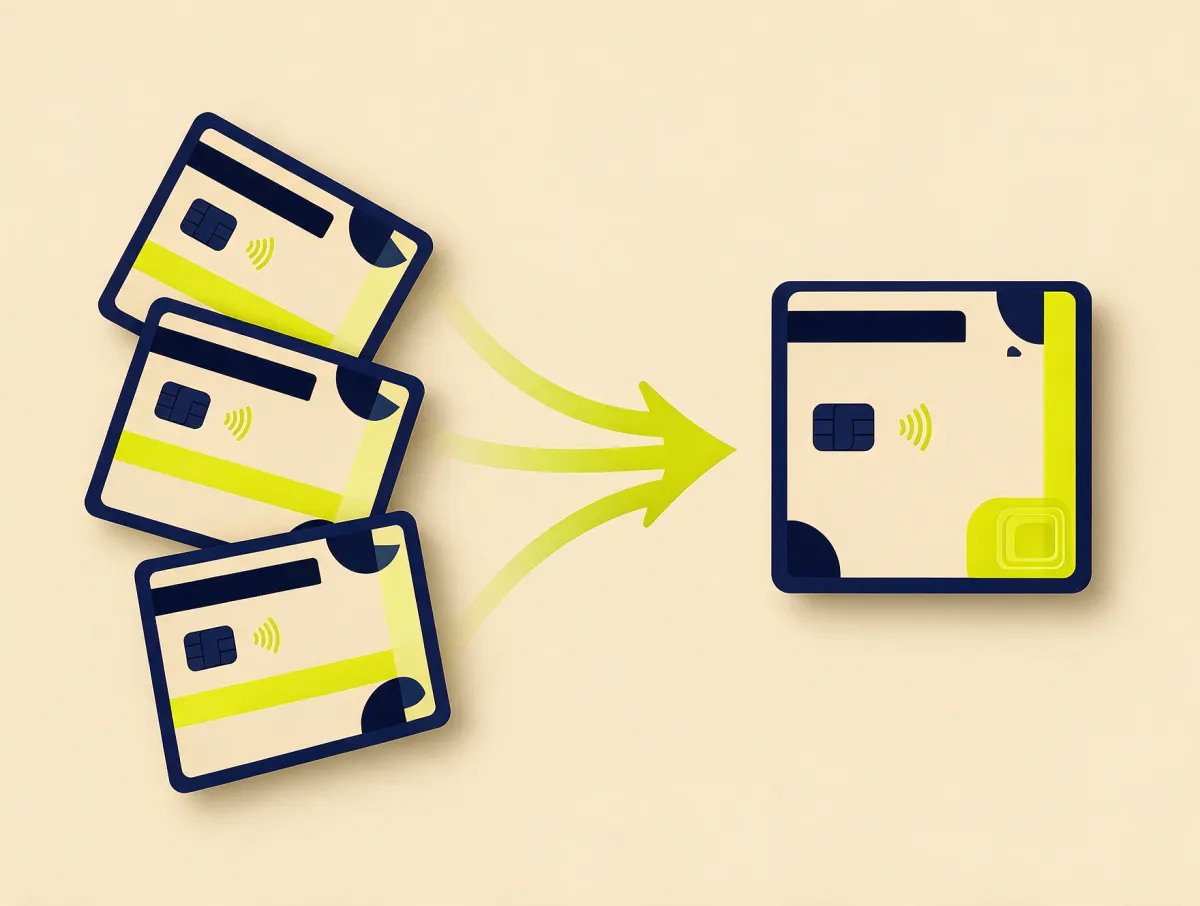
How Does Credit Card Consolidation Work?
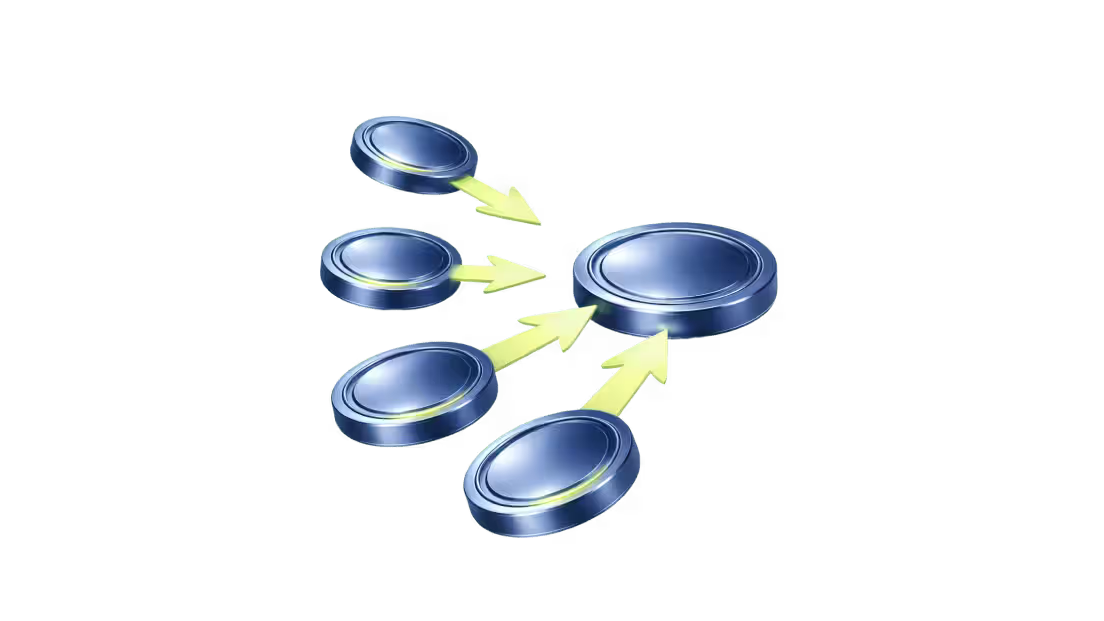
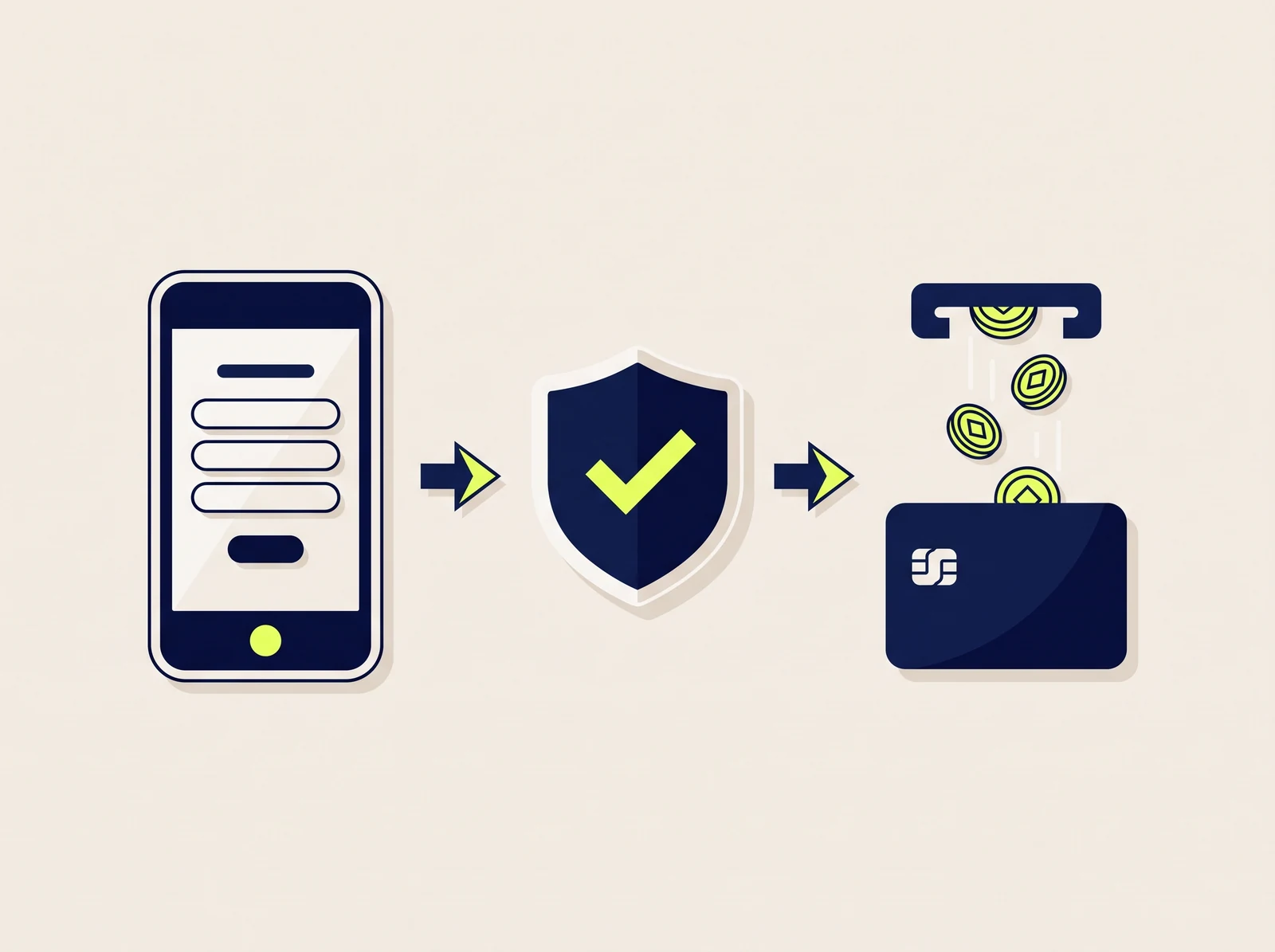
Say you owe $1,200 on one card, $1,000 on another and $800 on a store card. That's three due dates, three minimums and three interest charges every month. A consolidation loan pays all three off, and from then on you make one payment to one lender.
The loan is usually a fixed-rate personal loan. The rate doesn't change, the payment doesn't change, and there's a set date when you're done.
They stay open unless you close them. The loan pays the balances down to zero, and the credit lines are still there. That can help your credit, because you're using less of your available credit, but only if the cards stay at or near zero.
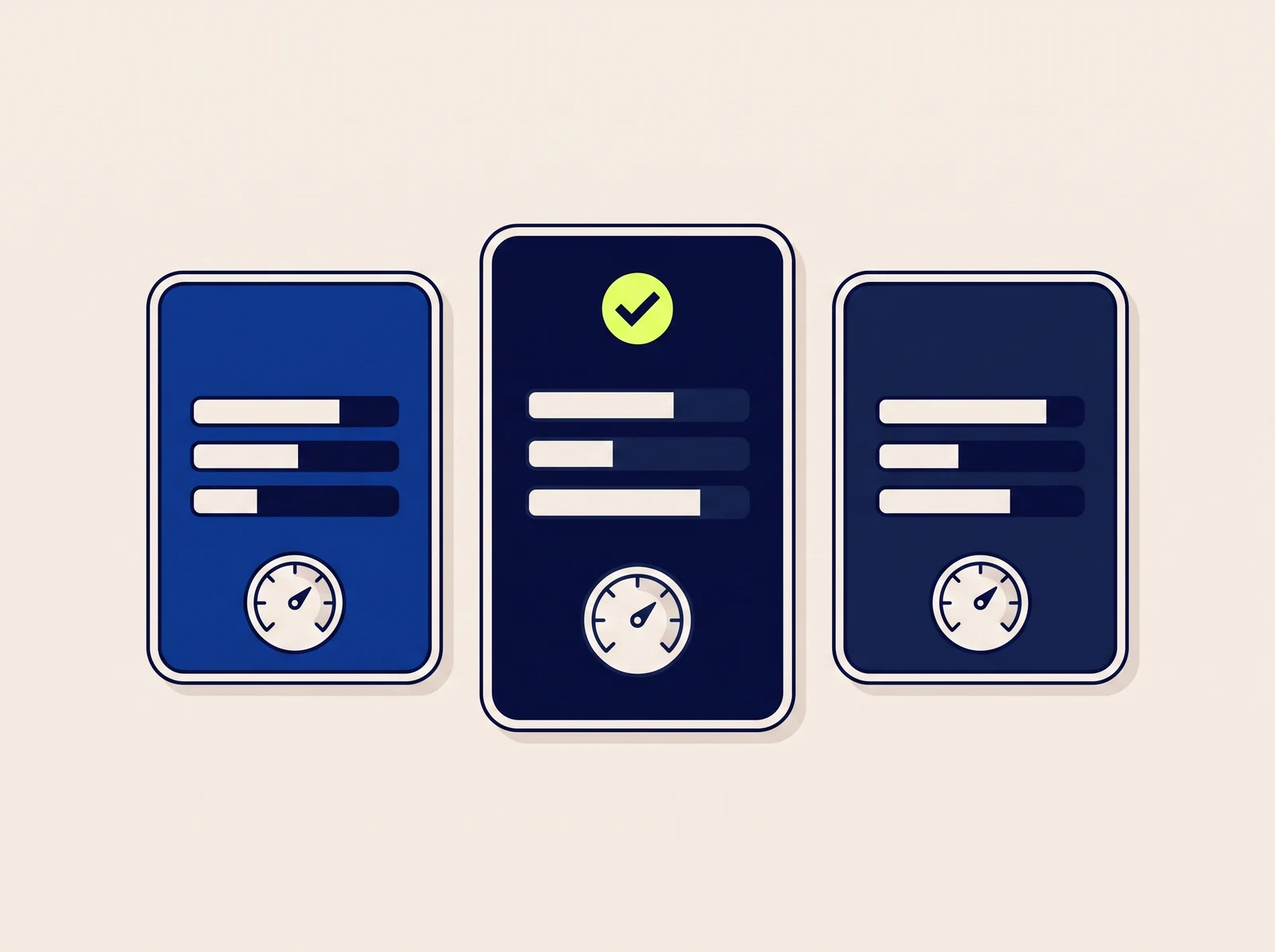
You'll see both terms used for the same thing. Refinancing credit card debt usually means replacing it with a lower-rate personal loan, which is exactly what a consolidation loan does. The name matters less than the rate, the fees and the term you're offered.
Most unsecured revolving debt qualifies:
- Major bank credit cards
- Store and retail cards
- Cards that are maxed out or close to it
Some people fold in other unsecured debts at the same time, such as medical bills. If a credit card cash advance is part of what you owe, it counts too, and it's often the most expensive balance on the card.