






What Is Debt Consolidation and How Does It Work?
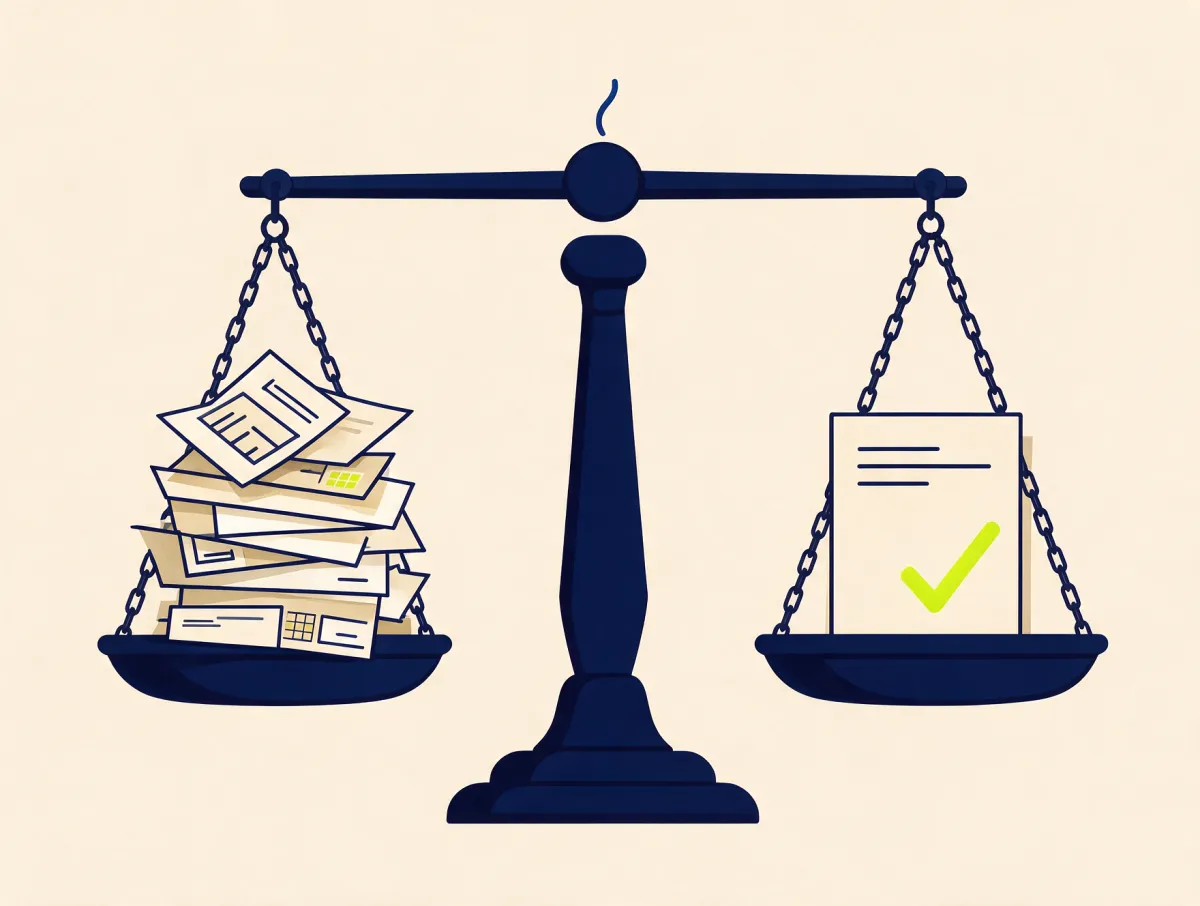
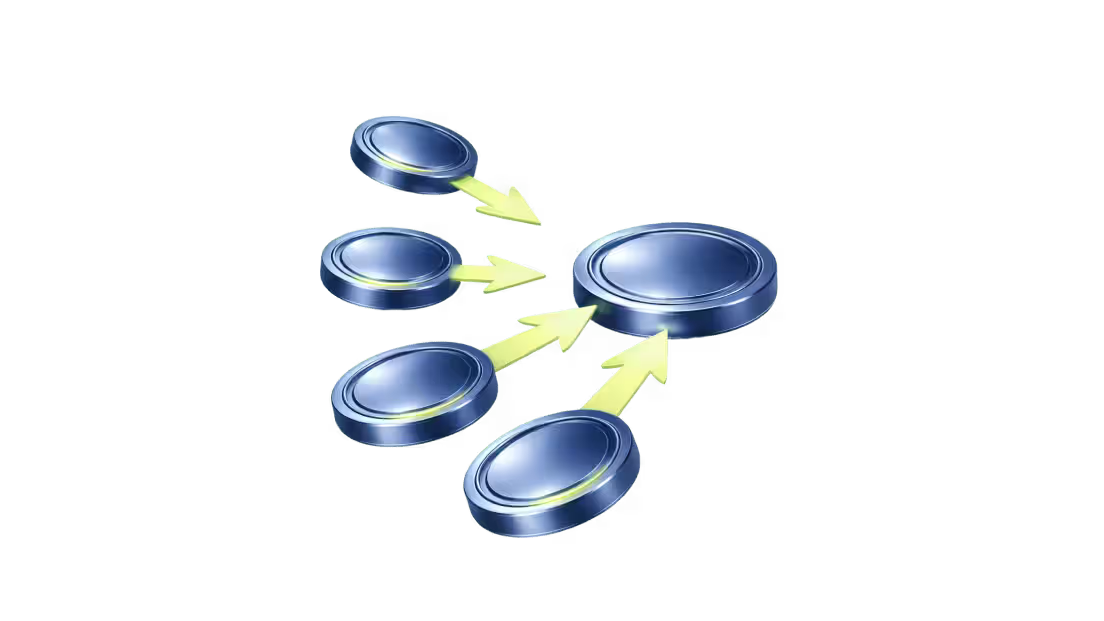
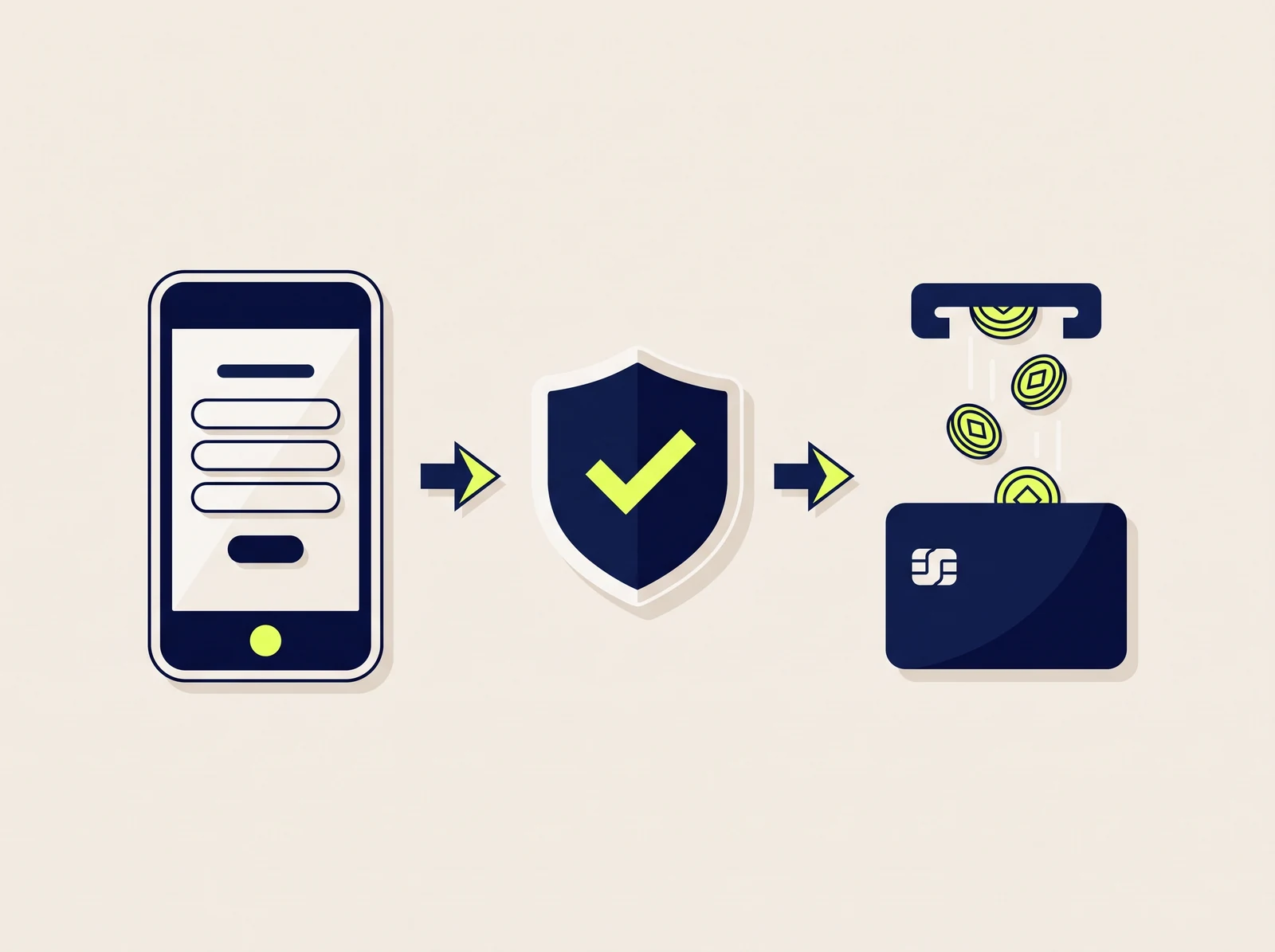
Say you owe $1,200 on one credit card, $900 on another and $900 on a medical bill. That's three due dates, three minimum payments and three interest rates. A debt consolidation loan pays all three off, and you're left with one loan and one monthly payment.
The new loan is usually a fixed-rate installment loan. Your payment stays the same each month, and there's a date when you'll be done.
Most unsecured debt qualifies:
- Credit cards and store cards
- Medical and dental bills
- Personal loans
- Payday and cash advance loans
Mortgages, car loans and federal student loans are usually handled differently, because they're secured or have their own repayment programs.
Most are unsecured, so you don't put up your car or home as collateral. Secured options like home equity loans can carry lower rates, but you're putting your home on the line if you fall behind.
Some lenders send the money straight to your creditors. Others deposit it in your checking account and you pay the balances off yourself. If it lands in your account, pay the debts off right away so the money doesn't get spent on something else.