




How Do Payday Loans Work?
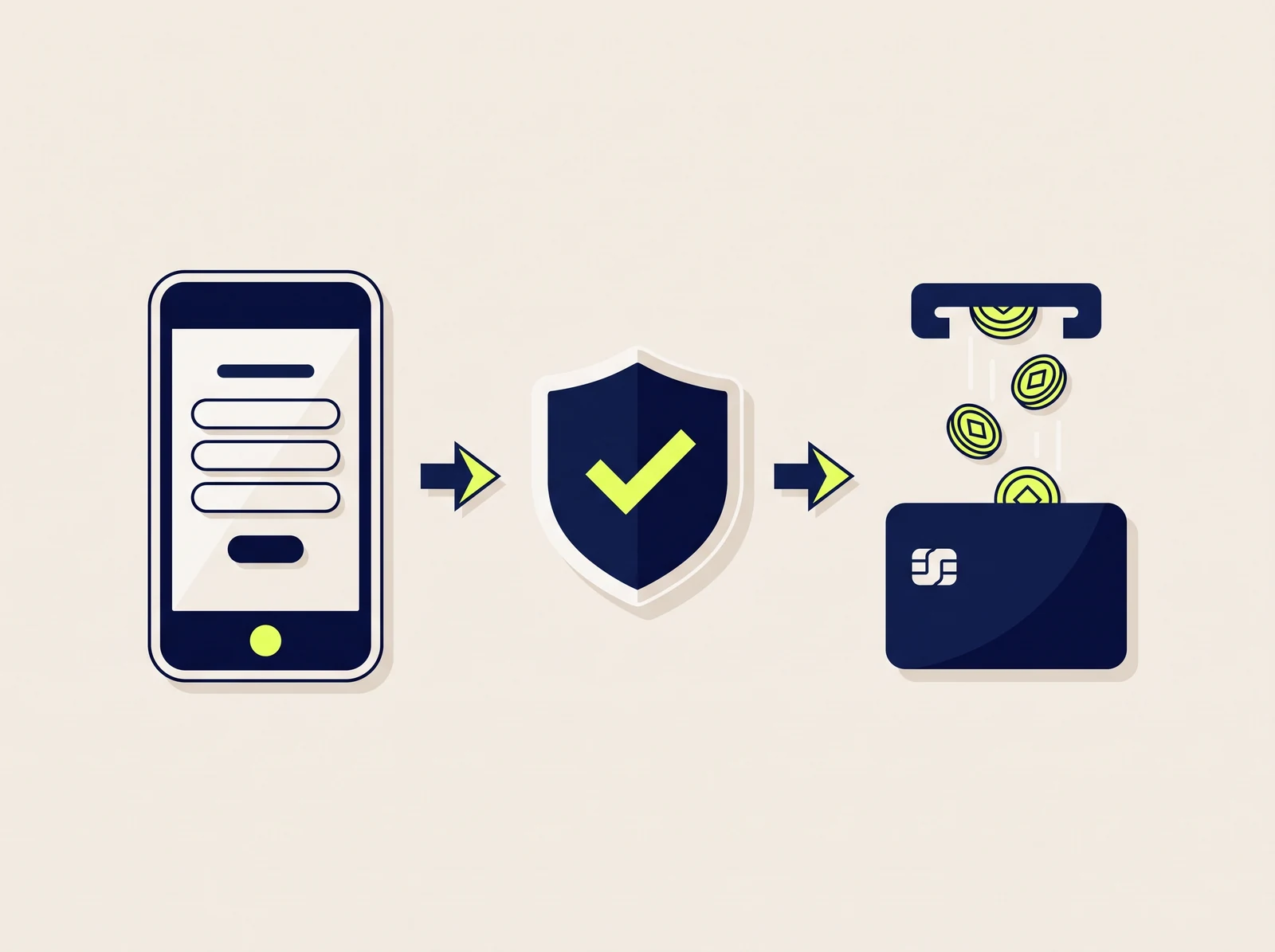
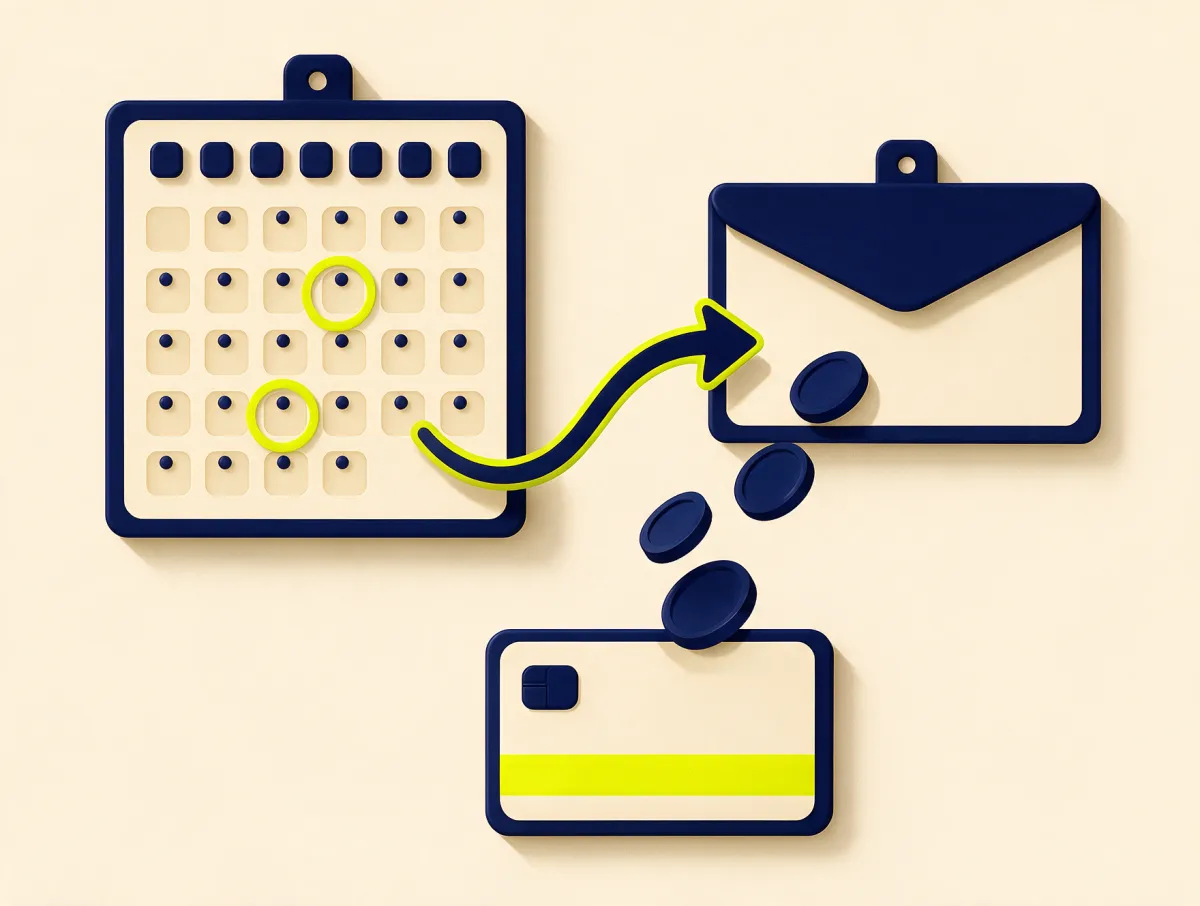
Say your car needs a $400 repair on the 10th and you don't get paid until the 24th. A payday loan covers that gap. You borrow the $400, and on the 24th the lender takes back the $400 plus a flat fee in one payment.
That single payment is what sets payday loans apart from most other credit. There are no monthly installments and no credit line to dip back into. Once it's repaid, it's done.
When you sign, you give the lender permission to collect from your checking account on the due date. Online lenders do this with an electronic debit (ACH). Some storefront lenders ask for a post-dated check instead.
If the money's in your account, that's the end of it. If it isn't, the payment can bounce, which may trigger fees from your bank and the lender. That's why it pays to line up your due date with the day your paycheck actually clears, not just the day you get paid.
Unsecured. You don't put up your car, your home or anything else as collateral. The lender relies on your income and your bank account instead, which is part of why the fees are high.
Neither, strictly. It's closed-end credit repaid in a single lump sum. That's different from an installment loan, which you repay in set monthly payments, and from revolving credit like a credit card, where you can borrow again as you pay down the balance.
You'll hear payday loans called payday advances, cash advances or deferred deposit loans. They're the same basic product. Paycheck advance apps are different: they advance wages you've already earned, usually for a tip or subscription fee rather than a loan fee. Our guide to how payday apps work walks through the differences.