



What Is a Cash Advance?
A cash advance is short-term money you get now and repay out of money you'll have soon. The phrase covers three quite different products, and mixing them up is how people end up paying more than they expected.
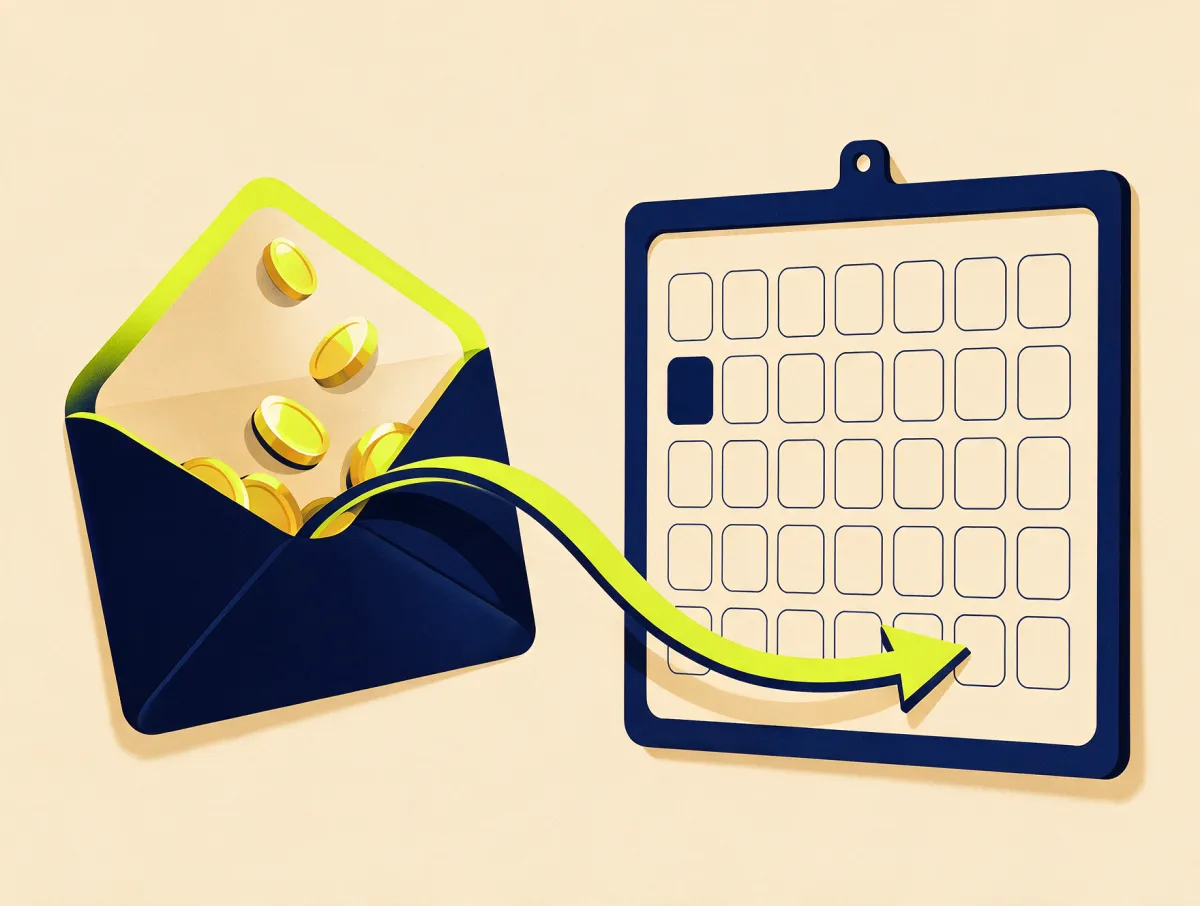
Say your paycheck of $1,200 lands on Friday but your car insurance of $300 is due on Tuesday. A cash advance covers the $300 today, and you repay it once Friday's deposit clears.
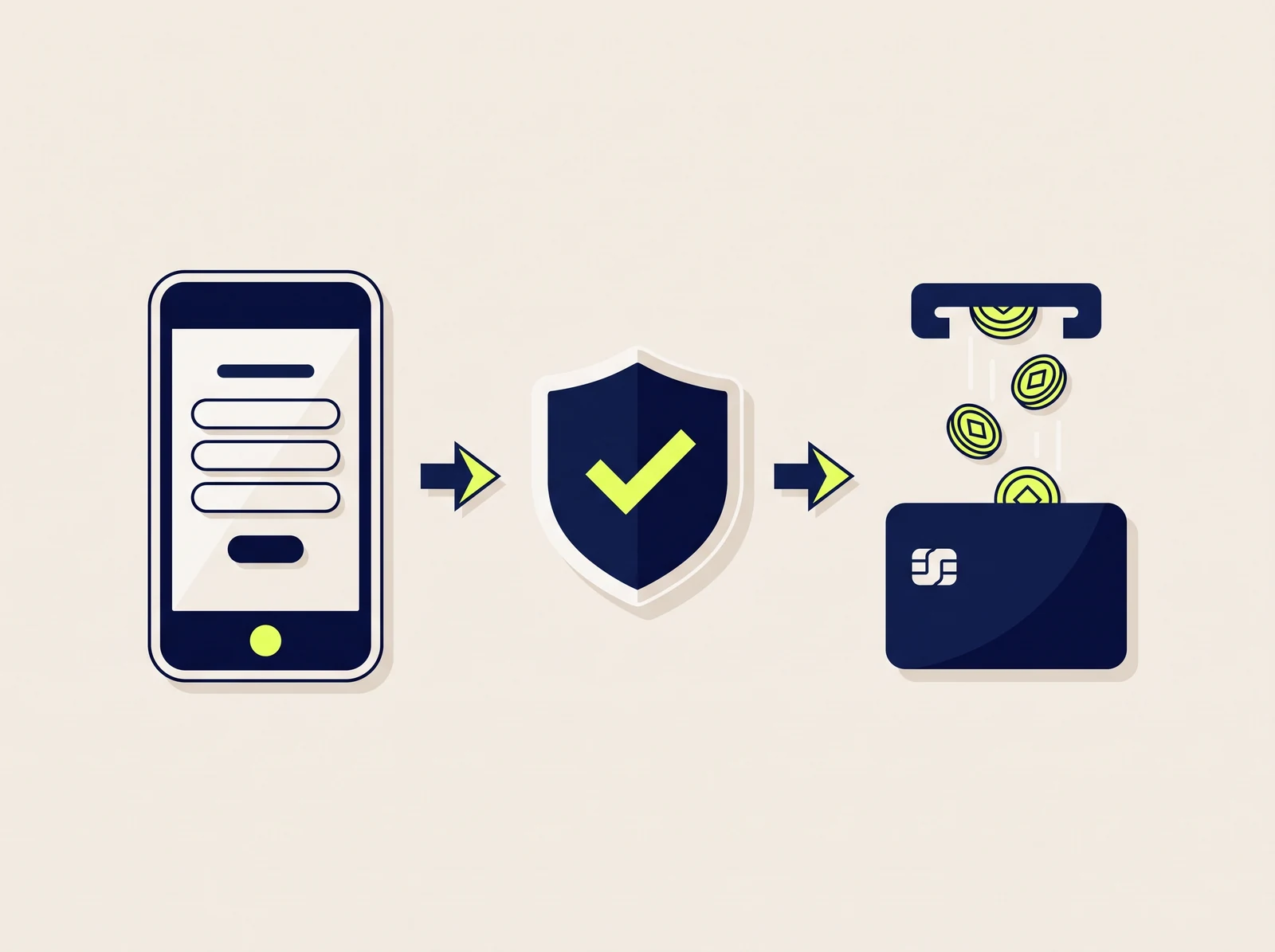
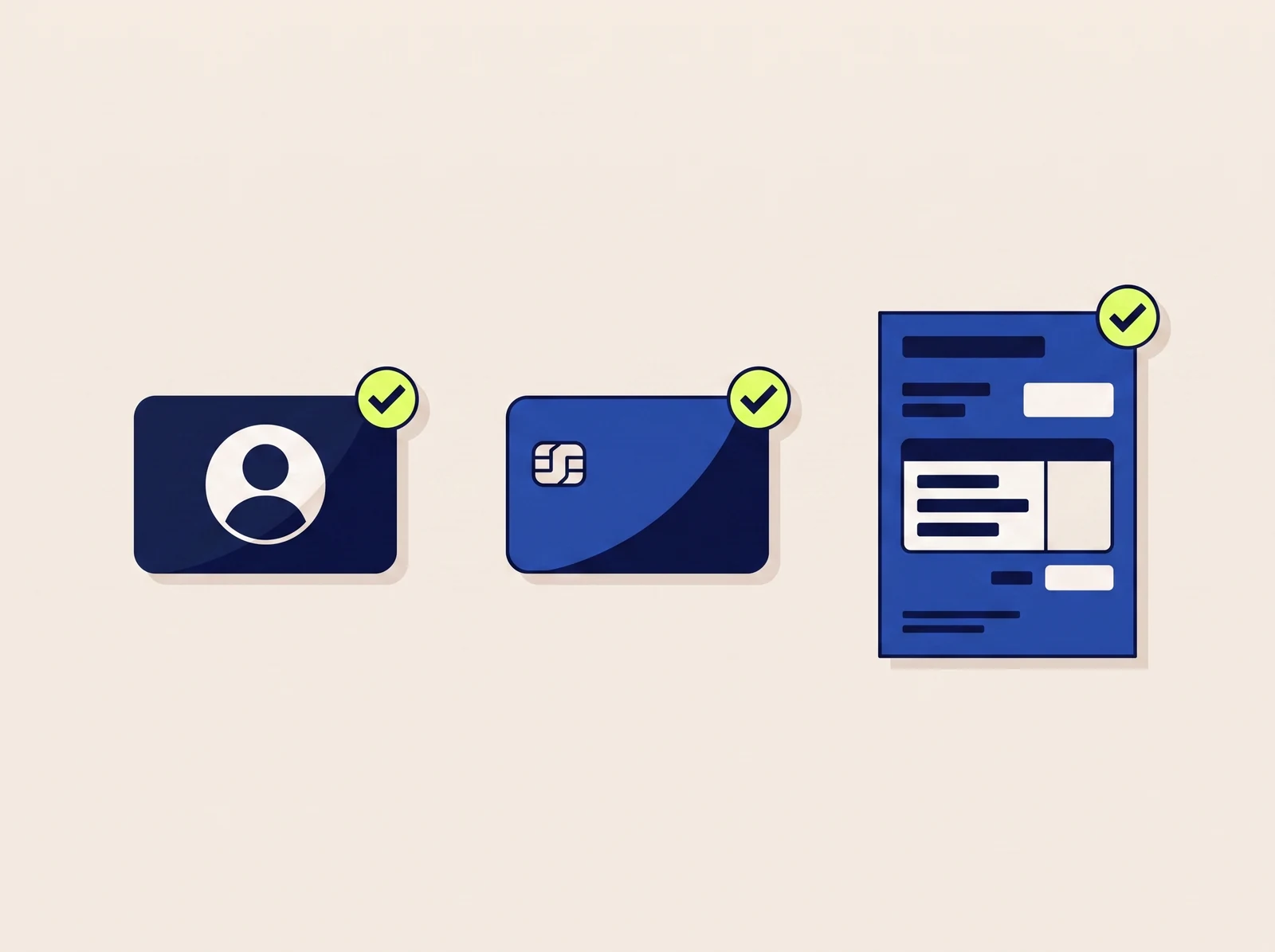
You apply with your income and bank details, a lender approves an amount, and the money goes into your checking account, often the same or next business day. On your due date, the lender collects the amount plus its fee by electronic debit. Some lenders let you split repayment across two to four pay periods.
In everyday use there often isn't one. Many lenders use "cash advance" and "payday loan" for the same product: a small loan repaid from your next paycheck with a flat fee. Where they differ, it's usually in the repayment schedule, so read the agreement for how many payments you'll make. Our guide to how payday loans work covers the single-payment version in depth.
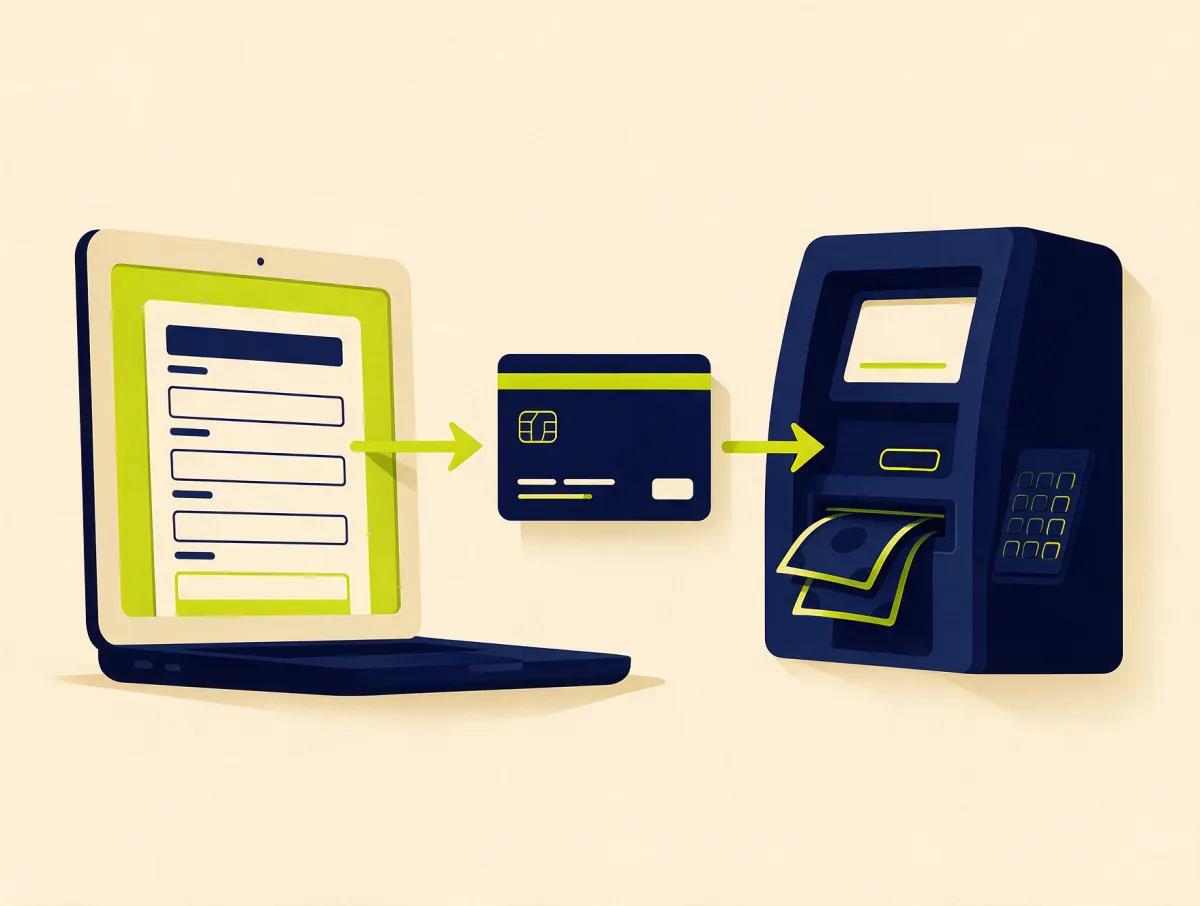
On a credit card, a cash advance means using your card to take out cash, at an ATM or a bank counter, instead of buying something. It's borrowing against your credit line, and it's priced very differently from a purchase. More on that cost below.